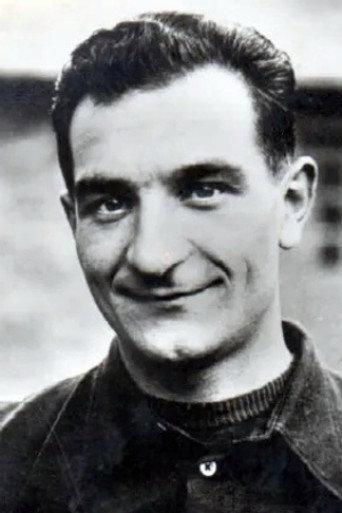
Roger Lapébie
Roger Lapébie (16 January 1911 – 11 October 1996) was a French racing cyclist who won the 1937 Tour de France. In addition, Lapébie won the 1934 and 1937 editions of the Critérium National. He was born at Bayonne, Aquitaine, and died in Pessac. Lapébie made his debut in the Tour de France in 1932, as a member of the French national team. He won one stage in that Tour, and was selected again in 1933; that year he did not win any stage. In 1934, Lapébie again rode the Tour de France as part of the national team. He won five stages, and finished in third place in the general classification. He would have been a contender for the victory in the 1935 Tour, had it not been for his difficult relation with Henri Desgrange, the Tour director. In the 1935 Tour de France, Lapébie was not selected to be part of the French national team, but had to start as a French individual cyclist. In the Tour of 1936, he did not even start. In 1937, Desgrange had retired, and Lapébie was back. In the month before the Tour started, Lapébie had undergone surgery for a lumbar hernia, and there were doubts about his form. Lapébie won the 1937 Tour by riding 4,415 kilometers in 138 hours, 58 minutes and 31 seconds. His victory was controversial as he was the first rider to complete the race using a modern derailleur. This gave him the advantage of shifting gears without having to stop, dismount and flip the wheel as was customary of racing bicycles used at the time. Lapébie was also known to accept…